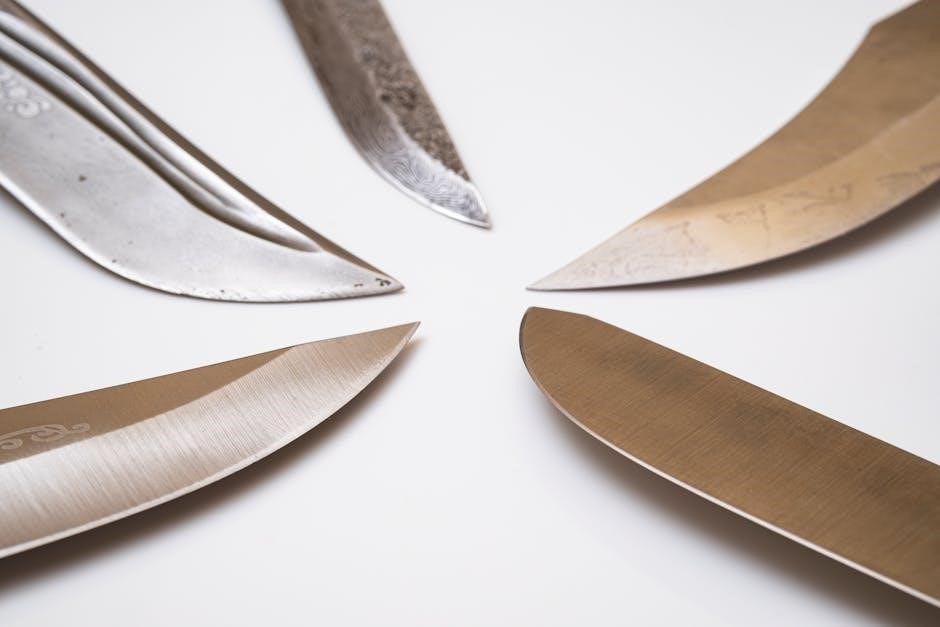
Blade HQ’s comprehensive steel guide assists knife enthusiasts in navigating the complexities of blade materials. It offers detailed charts and information‚
helping shoppers select knives based on steel properties and intended use.
Understanding the Importance of Steel in Knives
Steel selection profoundly impacts a knife’s performance characteristics‚ dictating its edge retention‚ toughness‚ and corrosion resistance. Different steels excel in various areas; a “best” steel doesn’t exist‚ as the ideal choice depends on the knife’s intended purpose. Blade HQ’s guide emphasizes that steel isn’t the sole determinant of quality.
Heat treatment plays a crucial role‚ potentially allowing a simpler steel like 440HC to outperform a premium steel like S30V if properly processed. Understanding these nuances empowers informed purchasing decisions. Factors like wear resistance‚ the ability to hold an edge‚ and resistance to chipping are all directly linked to the steel’s composition and how it’s treated.
The Blade HQ Steel Chart: A Comprehensive Overview
Blade HQ’s steel chart is a valuable resource‚ offering a clickable interface for exploring numerous knife steels‚ from common options like CPM-S30V to more specialized alloys like Cruwear. Each steel is presented with a chart detailing key properties‚ enabling direct comparisons. The chart facilitates informed decisions by providing a centralized location for essential data.
The guide includes steels from manufacturers like CPM and Bohler‚ covering a broad spectrum of materials. Users can quickly assess a steel’s strengths and weaknesses‚ considering factors like edge retention‚ toughness‚ and corrosion resistance. It’s a dynamic tool‚ with updates reflecting the evolving landscape of knife steel technology.

Popular Knife Steels and Their Properties
Blade HQ’s guide highlights steels like CPM-154‚ CPM-S30V‚ ELMAX‚ H1‚ and CPM-3V‚ detailing their unique balances of hardness‚ toughness‚ and corrosion resistance for knife blades.
CPM-154: Balanced Performance
CPM-154‚ a popular choice detailed in Blade HQ’s steel guide‚ represents a well-rounded steel offering a superb balance of properties. It’s a high-carbon stainless steel produced using the Crucible Particle Metallurgy process‚ resulting in a refined grain structure and consistent performance.
This steel excels in edge retention‚ holding a sharp edge for extended periods‚ making it suitable for everyday carry and demanding tasks. CPM-154 also demonstrates good toughness‚ resisting chipping and breakage under stress. Furthermore‚ it exhibits respectable corrosion resistance‚ ensuring durability in various environments.
According to point totals‚ CPM-154 scores an 18‚ indicating a solid all-around performer. While not excelling in any single category‚ its balanced characteristics make it a reliable and versatile option for a wide range of knife applications‚ as highlighted by Blade HQ.
CPM-S30V: A Widely Used Premium Steel
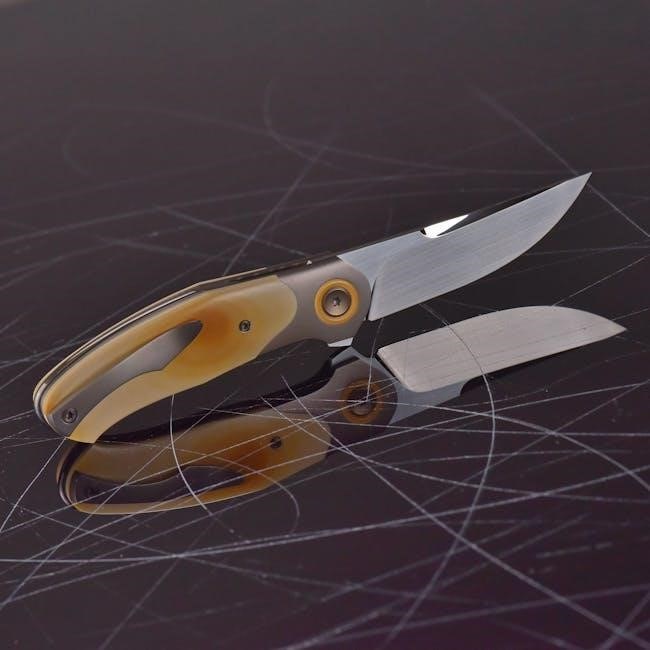
CPM-S30V‚ frequently featured in Blade HQ’s steel guide‚ is a highly regarded premium stainless steel known for its exceptional performance. Developed by Crucible Industries‚ it’s a modification of S30V‚ utilizing the CPM process for improved consistency and refinement. This results in a steel with superior wear resistance and edge retention.
Blade HQ highlights that CPM-S30V maintains a good balance of toughness‚ preventing excessive chipping‚ and corrosion resistance‚ ensuring longevity. Scoring a 25 in point totals‚ it’s a demonstrably strong contender. Its popularity stems from its ability to take a very fine edge and hold it for a considerable time‚ making it ideal for demanding cutting tasks.
Many manufacturers utilize CPM-S30V‚ making it readily available in a wide variety of knife designs‚ as detailed within the Blade HQ resource.
ELMAX: Toughness and Edge Retention
ELMAX‚ as presented in Blade HQ’s steel guide‚ is a powder metallurgy steel originating from Sweden‚ celebrated for its impressive combination of toughness and edge retention. It’s a high-carb‚ high-chromium steel designed to withstand demanding use and maintain sharpness.
Blade HQ notes that ELMAX exhibits excellent wear resistance‚ allowing it to hold a keen edge for extended periods. Scoring 24 points‚ it’s a strong performer. Despite its high hardness‚ it doesn’t sacrifice toughness‚ resisting chipping and breakage better than many other high-wear-resistance steels.
Comparisons‚ as noted in online discussions referenced by Blade HQ‚ show ELMAX performing admirably even against traditionally respected steels like 440HC‚ demonstrating its capabilities.
H1: Rustproof and Durable
H1 steel‚ detailed within Blade HQ’s steel guide‚ stands out as a premium choice for corrosion resistance. This is due to its high chromium content‚ making it virtually impervious to rust and staining – ideal for marine environments or users prioritizing low maintenance.
Despite being a stainless steel‚ H1 doesn’t compromise on durability. It boasts excellent toughness and edge retention‚ earning a score of 27 points in Blade HQ’s assessment. This makes it suitable for a wide range of cutting tasks.
While some stainless steels may lack the hardness of carbon steels‚ H1 provides a robust balance‚ offering both practicality and performance as highlighted in the Blade HQ resource.
CPM-3V: High Toughness Steel
CPM-3V‚ as detailed in Blade HQ’s steel guide‚ is renowned for its exceptional toughness. This powder metallurgy steel excels at resisting chipping and breaking‚ making it a favorite for hard-use knives and those subjected to impact. It achieves a score of 27 on Blade HQ’s rating system‚ tying with H1 steel.
While CPM-3V prioritizes toughness‚ it still offers respectable edge retention and wear resistance. However‚ it’s generally not considered a high-wear-resistance steel like M390 or CPM-20CV.
Blade HQ emphasizes that CPM-3V is an excellent choice for those needing a robust blade capable of withstanding demanding tasks‚ even if it requires more frequent sharpening.
Comparing Steel Characteristics
Blade HQ’s guide highlights key steel traits: edge retention‚ toughness‚ and corrosion resistance. Understanding these properties is crucial for selecting a knife suited to specific needs and tasks.
Edge Retention: How Long the Blade Stays Sharp
Edge retention‚ a critical steel characteristic‚ dictates how long a blade maintains its sharpness during use. Blade HQ’s steel guide assesses this through various testing methods and comparative data. Steels like M390 and CPM-20CV excel in edge retention due to their high wear resistance‚ meaning they can withstand abrasive materials longer before needing sharpening.
However‚ higher edge retention doesn’t always equate to the “best” steel. Often‚ a trade-off exists between sharpness longevity and toughness. Some users prefer a steel that’s easier to sharpen‚ even if it doesn’t hold an edge as long. The guide emphasizes that individual preferences and intended use heavily influence the ideal choice‚ and a well-treated lower-rated steel can outperform a poorly treated premium one.
Toughness: Resistance to Breaking or Chipping
Toughness in knife steel refers to its ability to resist fracturing or chipping under stress. Blade HQ’s guide highlights that toughness is crucial for tasks involving potential impacts‚ like batoning wood or prying. Steels like CPM-3V are renowned for their high toughness‚ making them suitable for demanding applications. However‚ increased toughness often comes at the expense of maximum hardness and‚ consequently‚ edge retention.
The guide stresses that a balance is key. While a tougher steel might survive abuse‚ it may require more frequent sharpening. Conversely‚ a very hard but brittle steel will hold an edge longer but is prone to chipping. Understanding this trade-off‚ and matching the steel to the intended use‚ is paramount when selecting a knife.
Corrosion Resistance: Ability to Resist Rust and Staining
Corrosion resistance is a vital characteristic‚ particularly for knives used in humid environments or exposed to saltwater. Blade HQ’s steel guide details how different alloys react to these elements. Stainless steels‚ like H1‚ are specifically designed with a high chromium content to form a protective oxide layer‚ preventing rust and staining. However‚ even stainless steels aren’t entirely immune‚ especially in harsh conditions.
Carbon steels‚ such as 1095‚ offer excellent edge retention but lack significant corrosion resistance‚ requiring diligent cleaning and oiling. The guide emphasizes that proper maintenance is crucial‚ regardless of the steel type‚ to maximize longevity and performance. Choosing a steel with appropriate corrosion resistance for the intended use is essential.
The Role of Heat Treatment
Heat treatment profoundly impacts a blade’s final hardness‚ toughness‚ and edge retention. Blade HQ highlights that a superior heat treat can even surpass a better steel choice.
Heat Treatment’s Impact on Steel Performance
Heat treatment is a critical process that fundamentally alters a steel’s microstructure‚ dictating its mechanical properties. Blade HQ’s guide emphasizes that the way steel is heated and cooled significantly influences its hardness‚ toughness‚ and ability to retain an edge.
Proper heat treatment unlocks a steel’s potential‚ while improper treatment can render even high-quality alloys brittle or too soft. Processes like hardening‚ tempering‚ and annealing are carefully controlled to achieve the desired balance of characteristics. A well-executed heat treatment optimizes the steel’s crystalline structure‚ enhancing its performance.
Ultimately‚ the heat treatment process is as‚ or even more‚ important than the steel composition itself‚ as it determines how the steel will behave in real-world applications.
Why Heat Treatment Can Outperform Steel Choice
Blade HQ’s steel guide highlights a crucial point: a skillfully heat-treated lower-grade steel can surpass a poorly treated premium steel in performance. This seemingly counterintuitive concept underscores the significance of the heat treatment process. Comparisons have shown a well-treated 440HC blade outperforming a substandard S30V blade.
The meticulous control of heating and cooling cycles optimizes the steel’s microstructure‚ maximizing its potential. A superior heat treatment can compensate for inherent limitations in the steel’s composition‚ resulting in enhanced edge retention‚ toughness‚ and corrosion resistance.
Therefore‚ focusing solely on steel type overlooks a vital factor; the quality of heat treatment is paramount for achieving optimal blade performance.
Advanced Knife Steels
Blade HQ’s guide explores advanced steels like M390‚ known for wear resistance‚ and 1095‚ a simple carbon steel. Cruwear and S110V represent powder metallurgy innovations.
M390: High-End Wear Resistance
M390‚ a premium Bohler steel‚ consistently ranks high in wear resistance‚ making it a favored choice for demanding applications. This powder metallurgy steel boasts a high chromium content‚ contributing to exceptional corrosion resistance alongside its durability;
The Blade HQ steel guide highlights M390’s ability to hold an edge for extended periods‚ reducing the frequency of sharpening. While exceptionally hard‚ it requires skilled sharpening techniques. Some users note that while incredibly tough‚ it can be more prone to chipping than some other steels if pushed beyond its limits.
Despite its cost‚ M390’s performance justifies the investment for those prioritizing long-lasting sharpness and resistance to abrasive wear‚ making it a staple in high-end knife offerings.
1095: Simple Carbon Steel
1095 represents a classic‚ high-carbon steel known for its simplicity and excellent performance. The Blade HQ steel guide showcases 1095 as a readily available and affordable option‚ favored by those seeking a traditional knife steel. It’s prized for its ability to take a very sharp edge‚ making it popular among bushcraft and outdoor enthusiasts.
However‚ 1095 lacks significant alloy elements‚ resulting in lower corrosion resistance. Consistent oiling and care are crucial to prevent rust and staining. Despite this‚ its toughness and ease of sharpening contribute to its enduring appeal.
While it scores lower in some categories‚ a properly heat-treated 1095 blade can outperform more exotic steels.
Cruwear and S110V: Powder Metallurgy Steels
Cruwear and S110V are advanced powder metallurgy steels highlighted in the Blade HQ steel guide for their exceptional wear resistance. Produced through a process where metal powders are compressed and heated‚ these steels exhibit a very fine grain structure‚ enhancing their properties. Cruwear excels in abrasive resistance‚ making it ideal for demanding cutting tasks.
S110V‚ a similar powder steel‚ offers comparable performance. Interestingly‚ some sources note inconsistencies in their scoring on the Blade HQ chart‚ raising questions about comparative assessments.
Both steels demand skilled sharpening due to their hardness‚ but reward users with long-lasting edge retention.
Resources and Further Reading
Blade HQ’s steel guide (www.bladehq.com/catBest-Knife-Steel-Guide3368) provides ongoing updates and valuable information. Explore online knife communities and forums for discussions!
Blade HQ’s Steel Guide: Link and Updates
Blade HQ offers a readily accessible and continually updated steel guide at www.bladehq.com/catBest-Knife-Steel-Guide3368. This resource is designed to empower knife buyers with the knowledge needed to make informed decisions. The guide features detailed breakdowns of numerous steel types‚ complete with comparative charts.
Recent discussions suggest the guide is undergoing revisions‚ potentially with input from experts like Larrin. Despite its utility‚ some users note perceived inaccuracies in scoring‚ particularly concerning steels like Cruwear‚ S110V‚ M4‚ and S90V. Blade HQ consistently strives to refine the guide‚ ensuring it remains a reliable source for understanding knife steel properties and performance characteristics;
Online Communities and Forums for Knife Steel Discussion
Beyond Blade HQ’s guide‚ a vibrant online community exists for in-depth knife steel discussions. Platforms like Reddit’s r/knives and dedicated knife forums provide spaces for enthusiasts to share experiences and insights. These communities often feature comparative analyses‚ heat treatment discussions‚ and real-world performance evaluations.
Users frequently debate the nuances of steel properties‚ challenging established rankings and sharing personal observations – like the comparison between Elmax and 440HC. Engaging with these forums complements the Blade HQ guide‚ offering diverse perspectives and fostering a deeper understanding of blade steel selection. Online Product Reviews‚ with 5.3M views‚ also contribute to the conversation.
No Responses