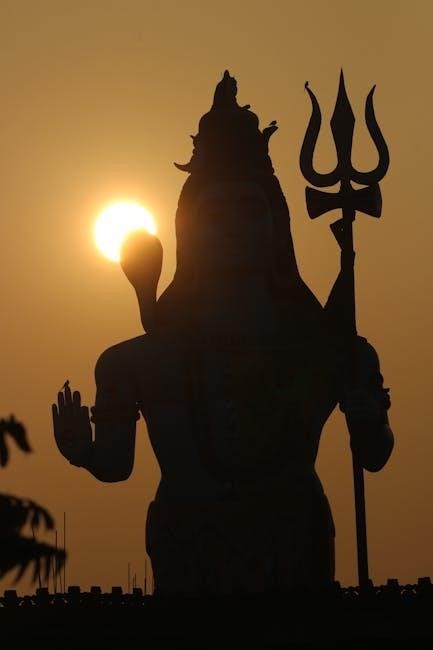
Shiva Ashtothram in Telugu PDF: A Comprehensive Plan
This plan details accessing Shiva Ashtothram in Telugu PDF format‚ offering a guide to download‚ verify‚ and utilize this sacred text.
It explores resources and benefits‚ ensuring a fulfilling spiritual experience for devotees seeking Lord Shiva’s blessings through this powerful practice.
Shiva Ashtothram‚ a revered practice in Hinduism‚ involves reciting the 108 sacred names of Lord Shiva. These names‚ known as the Ashtottara Shatanamavali‚ encapsulate the divine attributes and glories of the deity. For Telugu-speaking devotees‚ accessing this powerful stotra in their native language is profoundly significant.
The availability of Shiva Ashtothram in Telugu PDF format has greatly facilitated devotional practice. It allows individuals to easily access‚ read‚ and chant the names‚ regardless of location or time. This digital format preserves the sanctity of the text while offering convenience and portability. The practice is deeply rooted in tradition‚ believed to bestow blessings of peace‚ prosperity‚ and spiritual growth.
Many seek the Telugu PDF to deepen their connection with Lord Shiva‚ utilizing it for daily prayers‚ special occasions‚ or as part of larger spiritual rituals. The lyrical beauty and profound meanings within each name resonate deeply with devotees‚ fostering a sense of devotion and reverence.
What is Ashtothram?
Ashtothram‚ literally meaning “108 names‚” is a traditional Hindu practice of reciting a deity’s 108 epithets. This practice is considered highly auspicious and is performed to invoke the blessings and grace of the deity. The number 108 holds spiritual significance in Hinduism‚ representing wholeness and the universe.
In the context of Shiva Ashtothram‚ these 108 names beautifully describe Lord Shiva’s various forms‚ qualities‚ and powers. Each name reveals a different aspect of the divine‚ from his destructive and transformative nature to his benevolent and compassionate side. The recitation isn’t merely a listing of names; it’s a meditative practice designed to connect the devotee with the divine essence of Shiva.
The Telugu PDF versions of Shiva Ashtothram provide a convenient way to access and learn these names‚ often including transliteration and meaning for each epithet. This allows devotees to understand and appreciate the depth of each name while engaging in the practice.
Significance of Chanting Shiva Ashtothram
Chanting Shiva Ashtothram is believed to hold immense spiritual power‚ offering numerous benefits to devotees. Regular recitation is said to purify the mind‚ body‚ and soul‚ removing negative energies and obstacles. It fosters a deeper connection with Lord Shiva‚ cultivating devotion and inner peace.
The 108 names encapsulate Shiva’s multifaceted nature‚ and chanting them is thought to invoke his blessings for prosperity‚ health‚ and liberation. Specifically‚ the Telugu PDF format makes this practice accessible to Telugu-speaking devotees‚ allowing for accurate pronunciation and understanding of the names’ meanings.
Many believe that consistent chanting can alleviate suffering‚ reduce stress‚ and enhance spiritual growth. It’s considered a powerful tool for overcoming challenges and achieving one’s goals. The practice is often recommended for those seeking clarity‚ strength‚ and a closer relationship with the divine‚ particularly through the readily available Telugu resources.
The 108 Names: An Overview
Shiva Ashtothram comprises 108 sacred names of Lord Shiva‚ each revealing a different aspect of his divine personality and cosmic power. These names‚ available in Telugu PDF formats‚ are not merely labels but potent mantras capable of invoking specific energies and blessings.
The names range from those highlighting Shiva’s destructive force – essential for transformation – to those emphasizing his benevolent and compassionate nature. Some names describe his physical appearance‚ while others reflect his role as the ultimate reality and the source of creation.
Within the Telugu PDF‚ devotees can find transliterations and translations‚ aiding in correct pronunciation and comprehension. Understanding the meaning behind each name deepens the chanting experience‚ fostering a more profound connection with Lord Shiva. The complete list‚ when recited with devotion‚ is believed to bestow immense spiritual merit and fulfill desires.
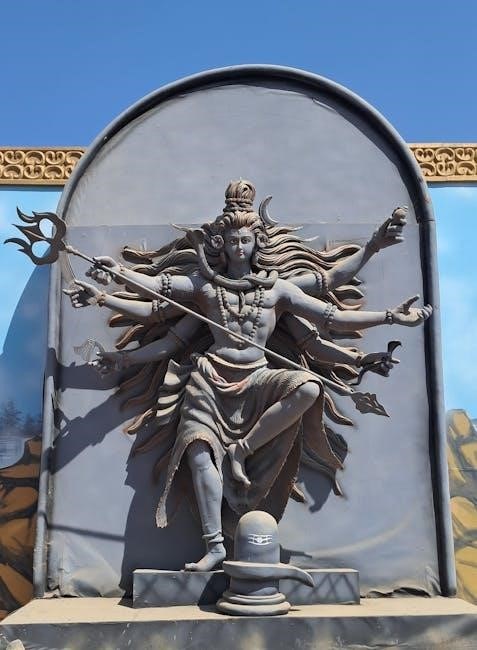
Understanding the Telugu PDF
Telugu PDF versions of Shiva Ashtothram offer convenient access to the 108 names. Examining sources‚ verifying authenticity‚ and understanding format accessibility are crucial for a meaningful experience.
Availability of Shiva Ashtothram in Telugu PDF
The Shiva Ashtothram in Telugu PDF format is widely available online‚ reflecting the devotion to Lord Shiva within the Telugu-speaking community. Numerous websites and digital libraries host this sacred text‚ catering to the growing demand for accessible spiritual resources.
Several platforms specialize in providing stotras and religious texts in various Indian languages‚ including Telugu. These platforms often offer downloadable PDFs‚ making it easy for devotees to access the Ashtothram on their devices. InstaPDF and StotrasNidhi are examples of sources where the PDF can be found.
The proliferation of these PDFs demonstrates the increasing digitization of traditional religious practices. This accessibility allows individuals to engage with the Shiva Ashtothram regardless of their location or access to physical copies. However‚ it’s important to exercise caution and verify the authenticity of the downloaded PDF‚ ensuring it aligns with traditional recitations and interpretations.
The availability extends to various devices‚ including smartphones‚ tablets‚ and computers‚ facilitating convenient chanting and study.
Sources for Downloading the PDF
Several online resources offer the Shiva Ashtothram in Telugu PDF for download. StotrasNidhi is a prominent source‚ providing a digital repository of various stotras‚ including the Shiva Ashtothram. InstaPDF also lists the Shiva Ashtothram 108 Names as a downloadable PDF‚ though user ratings are currently unavailable.
Websites dedicated to Telugu literature and religious texts frequently host the PDF. A simple online search using keywords like “Shiva Ashtothram Telugu PDF download” yields numerous results‚ directing users to various hosting sites. Additionally‚ some devotees share the PDF through personal blogs or social media groups focused on Hindu spirituality.
It’s worth noting that platforms offering free religious texts may vary in quality and authenticity. Therefore‚ cross-referencing with established sources is recommended. Visvas-Sri Vishnu Sahasranamam-Telugu PDF is also available on some of these platforms‚ indicating a broader collection of religious texts. Always scan downloaded files for viruses before opening them.
Remember to prioritize reputable sources to ensure a correct and authentic version of the sacred text.
Verifying Authenticity of the PDF
Ensuring the authenticity of the downloaded Shiva Ashtothram Telugu PDF is crucial. Compare the text with known‚ reliable sources like printed books or established online stotra repositories. Look for discrepancies in the names‚ their order‚ or the concluding phrases like “iti Sri Shiva Ashtottara Shatanamavali Samapta” – a standard ending.
Cross-reference a sample of names with translations found on reputable websites. Inconsistencies in meaning or transliteration can indicate an inaccurate PDF. Pay attention to the formatting and layout; a poorly formatted document might suggest it hasn’t been professionally prepared.
If possible‚ consult with a knowledgeable priest or scholar of Telugu and Hindu scriptures. They can verify the accuracy of the text and identify any potential errors. Be cautious of PDFs with excessive advertisements or requests for personal information‚ as these could be indicators of malicious intent.
Prioritize PDFs from trusted sources and always exercise discernment when downloading religious texts online.

PDF Format and Accessibility
The Shiva Ashtothram Telugu PDF is generally designed for easy readability and portability. Most PDFs utilize a standard font suitable for Telugu script‚ ensuring clear visualization of the 108 names. The document’s size typically ranges from a few hundred kilobytes to a couple of megabytes‚ facilitating quick downloads and storage.
Accessibility features vary; some PDFs are text-searchable‚ allowing users to quickly locate specific names. Others may be image-based‚ requiring manual scrolling. Consider using a PDF reader with text-to-speech functionality for auditory learning. Zooming capabilities are essential for comfortable reading on different devices.
Ensure your device has a compatible PDF reader installed – Adobe Acrobat Reader is a widely used option. Check for proper rendering of Telugu characters; if they appear distorted‚ try a different reader or update your existing one.
Optimized PDFs will be lightweight and load quickly‚ enhancing the overall user experience for devotees seeking to connect with Lord Shiva.
Key Names and Their Meanings
Exploring Shiva’s 108 names reveals profound meanings‚ categorized by attributes like destruction‚ benevolence‚ cosmic roles‚ and appearance‚ offering deeper insight into the divine.

Shiva’s Names Related to Destruction
Several names within the Shiva Ashtothram specifically highlight Lord Shiva’s destructive aspect‚ crucial for cosmic balance and renewal. These aren’t depictions of malice‚ but rather the necessary force to dismantle the old and pave the way for new creation. Names like Rudra‚ signifying fierce anger and power‚ directly relate to this destructive energy. Kala Kala‚ meaning ‘time of time’ or ‘destroyer of time’‚ emphasizes Shiva’s control over the cycle of existence‚ including its eventual dissolution.
Andhakasurasudana‚ meaning “the slayer of the demon Andhakasura‚” illustrates Shiva’s role in vanquishing negativity and evil. Kapali‚ referencing his association with severed heads‚ symbolizes the destruction of ego and ignorance. Vamadeva‚ though having multiple interpretations‚ also connects to the power to dismantle obstacles. Understanding these names isn’t about fearing destruction‚ but recognizing it as an integral part of the cosmic process‚ overseen by Shiva’s compassionate power. The Telugu PDF often provides detailed explanations of these nuances‚ enriching the devotee’s understanding.
Names Reflecting Shiva’s Benevolence
The Shiva Ashtothram isn’t solely focused on destruction; numerous names beautifully illustrate Lord Shiva’s compassionate and benevolent nature. These epithets reveal a deity deeply concerned with the welfare and liberation of his devotees. Shankara‚ meaning “bestower of happiness‚” embodies this quality‚ promising joy and prosperity to those who seek his grace. Bhaktavatsala directly translates to “lover of devotees‚” highlighting Shiva’s affectionate connection with those who offer devotion.
Shiva itself‚ meaning “auspicious‚” signifies his inherent goodness and ability to bestow blessings. Ugra‚ while seemingly fierce‚ can also be interpreted as intensely compassionate‚ protecting devotees from harm. Vishnuvallabha indicates Shiva’s amicable relationship with Lord Vishnu‚ demonstrating harmony and mutual respect. The Telugu PDF versions often include stories and interpretations that further illuminate these benevolent aspects‚ fostering a deeper connection with Shiva’s loving energy. Chanting these names cultivates inner peace and attracts positive influences.
Names Highlighting Shiva’s Cosmic Role
The Shiva Ashtothram‚ readily available in Telugu PDF format‚ profoundly emphasizes Lord Shiva’s integral role in the cosmos. Several names directly relate to his function as the creator‚ preserver‚ and destroyer – the cyclical nature of existence. Trilokesha‚ meaning “Lord of the three worlds‚” signifies his dominion over the earthly‚ atmospheric‚ and celestial realms. Mahadeva‚ the “Great God‚” underscores his supreme position within the Hindu pantheon and the universe itself.
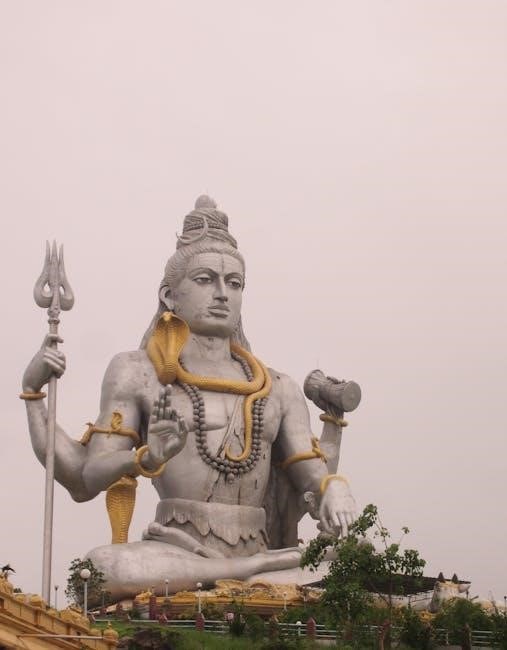
Kala Kala‚ translating to “time of times‚” represents Shiva’s control over time and its inevitable flow. Shambhu signifies the source of all creation and existence. The Telugu PDFs often include explanations connecting these names to cosmic principles and yogic philosophy. Understanding these aspects deepens appreciation for Shiva’s all-encompassing presence. Chanting these names fosters a sense of connection to the universe and its underlying order‚ promoting spiritual awareness and liberation.
Names Describing Shiva’s Appearance
The Shiva Ashtothram in Telugu PDF beautifully details Lord Shiva’s iconic appearance through numerous names. Kapardhi refers to his matted locks‚ symbolizing his ascetic nature and control over the senses. Nilalohita describes his skin as blue or red‚ representing both tranquility and power. Shashishekhara highlights the crescent moon adorning his head‚ symbolizing control over time and the mind.
Vamadeva signifies his radiant‚ beautiful form. The Telugu PDFs often include visual depictions alongside these names‚ aiding in meditative visualization. Jatadhara emphasizes his long‚ flowing hair‚ often depicted with the river Ganga cascading through it. These descriptions aren’t merely physical; they represent Shiva’s divine qualities and cosmic energy. Chanting these names while visualizing his form deepens devotion and facilitates a stronger connection with the deity‚ enhancing the spiritual experience.

Chanting Procedure and Benefits
The Telugu PDF guides proper chanting‚ recommending specific times and recitations. Regular practice yields peace‚ removes obstacles‚ and fosters spiritual growth‚ unlocking Lord Shiva’s divine grace.
Proper Time and Place for Chanting
Selecting the appropriate time and location significantly enhances the efficacy of Shiva Ashtothram chanting. Traditionally‚ early mornings‚ particularly during the Brahmamuhurta (approximately 1.5 hours before sunrise)‚ are considered highly auspicious. This time is believed to be serene and conducive to spiritual practices‚ allowing for deeper concentration and connection with the divine.
Alternatively‚ chanting during Pradosham – the twilight hours before sunset – is also highly recommended‚ as it is a sacred time dedicated to Lord Shiva. The PDF resources often emphasize the importance of a clean and peaceful environment. A dedicated prayer room or a quiet space free from distractions is ideal. Facing North or East while chanting is generally preferred‚ symbolizing a connection to divine energy.
Maintaining a ritualistic purity is also crucial. A clean body and mind are essential; therefore‚ a bath before chanting is recommended. The space should be cleansed‚ and offerings like flowers‚ incense‚ and a lamp can be used to create a sacred atmosphere. The Telugu PDF versions often include specific instructions regarding dhyana (meditation) before commencing the chanting‚ further amplifying its benefits.
Recommended Number of Recitations
Determining the optimal number of Shiva Ashtothram recitations depends on individual capacity and intentions. While chanting the complete 108 names once is considered a full recitation‚ many devotees opt for multiple repetitions to deepen their devotion and reap greater benefits. The Telugu PDF resources frequently suggest starting with a manageable number‚ such as 3‚ 5‚ or 9 repetitions‚ gradually increasing as one’s practice evolves.
For specific purposes‚ such as seeking relief from planetary afflictions or fulfilling particular desires‚ the PDF texts may recommend a specific number of malas (a string of 108 beads) to be completed. A mala represents one full cycle of chanting all 108 names. Consistency is key; regular‚ even if shorter‚ recitations are more beneficial than infrequent‚ lengthy sessions.
The emphasis isn’t solely on quantity but also on the quality of chanting. Each name should be pronounced clearly and with sincere devotion. The Telugu PDFs often advise reciting with understanding of the names’ meanings‚ enhancing the meditative aspect of the practice and fostering a deeper connection with Lord Shiva.
Benefits of Regular Chanting
Consistent chanting of the Shiva Ashtothram‚ as facilitated by Telugu PDF resources‚ yields profound spiritual and worldly benefits. Devotees report increased peace of mind‚ reduced stress‚ and a strengthened connection with the divine. The 108 names encapsulate Shiva’s multifaceted nature‚ invoking his blessings for protection‚ prosperity‚ and liberation.
Regular recitation is believed to mitigate the effects of negative karma and remove obstacles in life’s path. The Telugu PDFs highlight that chanting purifies the heart‚ cultivates humility‚ and fosters detachment from material desires. It’s considered particularly potent for overcoming fears and anxieties.
Furthermore‚ the practice is said to enhance spiritual awareness and accelerate progress on the path to self-realization. Many believe it aids in cultivating qualities like compassion‚ forgiveness‚ and equanimity. The Telugu translations within the PDFs allow for a deeper understanding of the names‚ amplifying their transformative power and fostering a stronger devotional experience.
Combining Chanting with Other Practices
To maximize the benefits of Shiva Ashtothram chanting‚ utilizing Telugu PDF resources‚ consider integrating it with complementary spiritual practices. Many devotees combine chanting with meditation‚ focusing on Shiva’s form or mantra during silent contemplation. This synergy deepens concentration and enhances the meditative experience.
Performing puja (worship) alongside chanting is also highly recommended. Offering flowers‚ incense‚ and water to a Shiva lingam while reciting the 108 names amplifies the devotional energy. The Telugu PDFs often include guidance on appropriate puja rituals.
Yoga and pranayama (breathing exercises) can further enhance the effects‚ preparing the body and mind for spiritual practice. Additionally‚ studying Shiva-related scriptures‚ like the Shiva Purana‚ provides contextual understanding and strengthens faith. Consistent practice‚ guided by the Telugu PDF‚ unlocks deeper spiritual insights and fosters a holistic approach to devotion.

Additional Resources
Explore related Shiva stotras in Telugu‚ online resources‚ and mobile apps for Shiva Ashtothram chanting. Telugu translations deepen understanding and enhance the devotional experience.
Related Shiva Stotras in Telugu
Beyond the Shiva Ashtothram‚ a wealth of devotional hymns (stotras) dedicated to Lord Shiva are available in Telugu‚ enriching the spiritual practice for devotees. Sri Rudram‚ a highly revered Vedic chant‚ is frequently recited alongside the Ashtothram‚ offering a comprehensive worship experience. The Daridrya Dahana Shiva Stotram‚ specifically designed to alleviate poverty and hardship‚ provides solace and blessings for those facing difficulties.
Other significant stotras include the Shiva Manasa Puja‚ a mental offering of worship to Shiva‚ and the Lingashtakam‚ celebrating the symbolic representation of Shiva in the form of the lingam. These stotras‚ often found in PDF format alongside the Shiva Ashtothram‚ complement the 108 names by offering diverse avenues for expressing devotion.
Many websites and digital libraries dedicated to Hindu scriptures provide access to these Telugu stotras. Exploring these resources allows devotees to deepen their connection with Lord Shiva through varied forms of praise and worship‚ fostering a more profound spiritual journey.
Online Resources for Shiva Ashtothram
Numerous online platforms offer the Shiva Ashtothram in Telugu‚ catering to devotees’ accessibility needs. Websites specializing in Hindu scriptures‚ like Stotranidhi‚ frequently host downloadable PDF versions of the text‚ alongside transliterations and English translations for broader understanding. InstaPDF also provides access to the Shiva Ashtothram in Telugu PDF format‚ offering a convenient digital resource.
YouTube channels dedicated to devotional music and chants often feature audio recitations of the Shiva Ashtothram‚ allowing devotees to learn the correct pronunciation and rhythm. Several blogs and forums dedicated to Hinduism also share links to downloadable PDFs and discuss the significance of each name.
It’s crucial to verify the authenticity of the source before downloading any PDF to ensure accurate content. Utilizing reputable websites and cross-referencing with established scriptures is recommended for a reliable spiritual experience.
Apps for Shiva Ashtothram Chanting

Several mobile applications provide a convenient way to chant the Shiva Ashtothram in Telugu‚ offering features beyond simple PDF access. These apps often include audio recitations with clear pronunciation‚ allowing users to learn and follow along effortlessly. Many incorporate the ability to repeat each name a specific number of times‚ aiding in focused practice.
Some apps offer synchronized Telugu lyrics display during the audio recitation‚ enhancing comprehension and facilitating correct pronunciation. Features like daily reminders and progress tracking can motivate consistent chanting. Users can often customize the chanting speed and select different recitation styles.
While specific apps dedicated solely to the Telugu Shiva Ashtothram PDF might be limited‚ broader Hindu devotional apps frequently include it within their extensive stotra collections. Always check user reviews and app permissions before downloading to ensure a secure and reliable experience.
Importance of Telugu Translations

The availability of Shiva Ashtothram in Telugu is profoundly significant for devotees who primarily communicate in this language. Translations bridge a linguistic gap‚ enabling a deeper‚ more personal connection with the divine names and their meanings. Understanding the nuances of each name in one’s native tongue fosters a richer devotional experience‚ moving beyond rote recitation.
Telugu translations ensure accurate conveyance of the spiritual essence embedded within the Sanskrit verses. This is crucial‚ as subtle variations in interpretation can alter the intended meaning. Access to Telugu PDFs and associated resources empowers a wider audience to participate in this sacred practice.
Furthermore‚ Telugu translations preserve and promote the cultural heritage associated with Shiva worship within the Telugu-speaking community‚ ensuring its continued relevance for generations to come. It allows for a more intimate and heartfelt connection with Lord Shiva.
No Responses