Church Safety and Security Guidebook: A Comprehensive Plan
Comprehensive guides, like those from Bethel Lutheran (32 pages) and Keystone Church (17 pages), offer detailed safety protocols and emergency response plans for church facilities.

Recent events necessitate proactive church security measures, as highlighted by resources like the Christ Lincoln welcome and safety guidelines. PDF guides from various denominations – including Bethel Lutheran’s 32-page plan and Keystone’s 17-page document – demonstrate a rising awareness. Churches now face external threats and require comprehensive safety protocols to protect congregations.
Understanding Potential Threats to Churches
Church security committees, often comprised of law enforcement professionals, acknowledge diverse threats. PDF resources detail risks ranging from crime and violence to internal vulnerabilities. Bethel Lutheran’s plan and Keystone’s guidelines emphasize preparedness. Understanding these potential dangers – as seen in Bucharest’s church tranquility – is crucial for effective security planning.
External Threats: Crime and Violence
PDF church safety guides highlight external threats like crime and violence requiring proactive measures. Security teams, potentially including concealed carry members, address these risks. Comprehensive plans, such as Bethel Lutheran’s, focus on safe exits and emergency responses, mirroring the need for vigilance even in tranquil settings like Bucharest churches.
Internal Threats: Identifying and Addressing Risks
Church safety PDFs emphasize identifying internal vulnerabilities alongside external ones. Sower Church’s commitment to authentic discipleship implies a need for vetting volunteers. Bethel Lutheran’s plan aims for a safe, welcoming environment, requiring risk assessment and protocols to address potential issues within the congregation itself.
Developing a Church Security Team
Church security guidelines, often found in PDF formats, suggest leveraging expertise. Christ Lincoln’s Security Committee includes active/retired Law Enforcement Officers. This demonstrates a proactive approach to team building, utilizing specialized skills for enhanced safety and a more effective security presence within the church.
Recruitment and Training of Security Personnel
Church safety PDF resources emphasize ongoing training. Keystone Church’s guidelines (17 pages) suggest detailed drills and procedures. Recruiting individuals with law enforcement backgrounds, as seen at Christ Lincoln, provides a foundation, but continuous training is vital for effective response capabilities.

Collaboration with Local Law Enforcement
Church security PDFs highlight the importance of partnerships. Christ Lincoln’s Security Committee includes active/retired law enforcement officers, fostering direct collaboration. Building relationships with local police departments, as suggested in comprehensive guides, ensures a coordinated response during emergencies and proactive security assessments.
Physical Security Measures
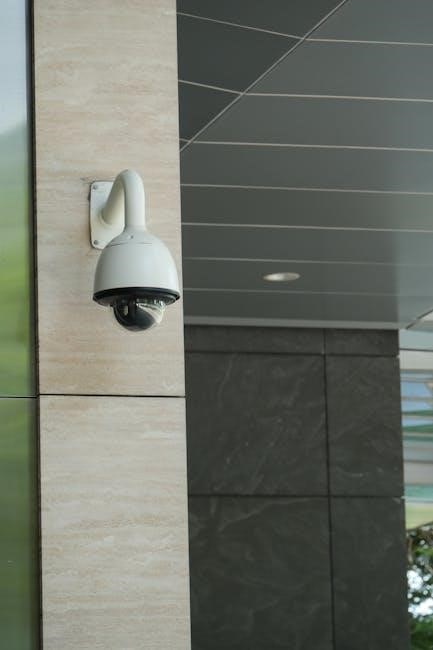
Church safety PDFs emphasize securing facilities. This includes controlling access points – doors and locks – and implementing surveillance systems with cameras. Enhancing lighting and visibility around the perimeter is crucial, as detailed in comprehensive plans, to deter potential threats and ensure a safe environment.
Access Control: Doors, Locks, and Entry Points

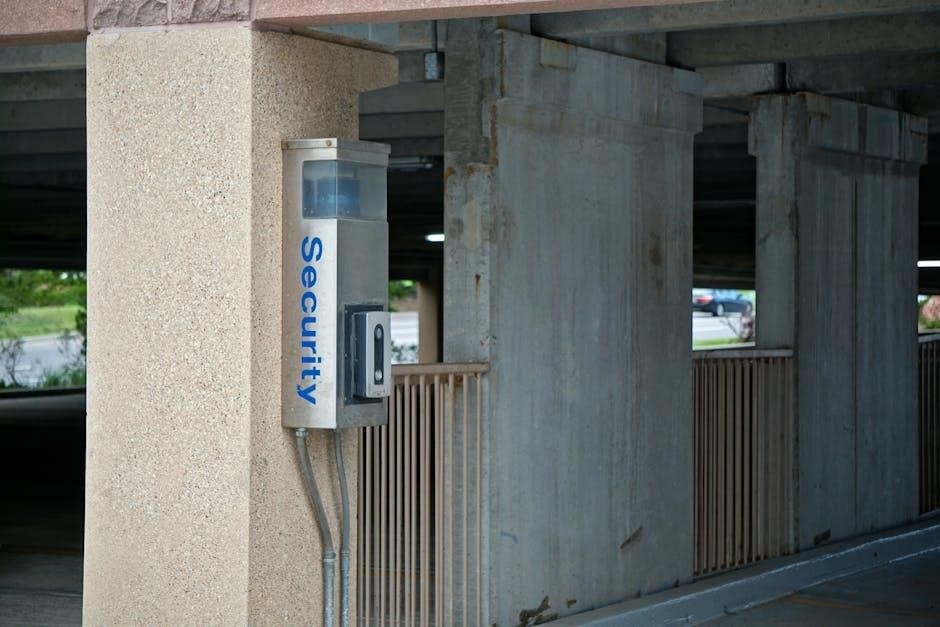
Church security guidebooks prioritize controlled access. Securing doors, locks, and entry points is fundamental. Active/retired Law Enforcement on the Church Security Committee may carry concealed firearms, highlighting the need for defined access protocols and secure building perimeters, as outlined in safety plans.
Surveillance Systems: Cameras and Monitoring
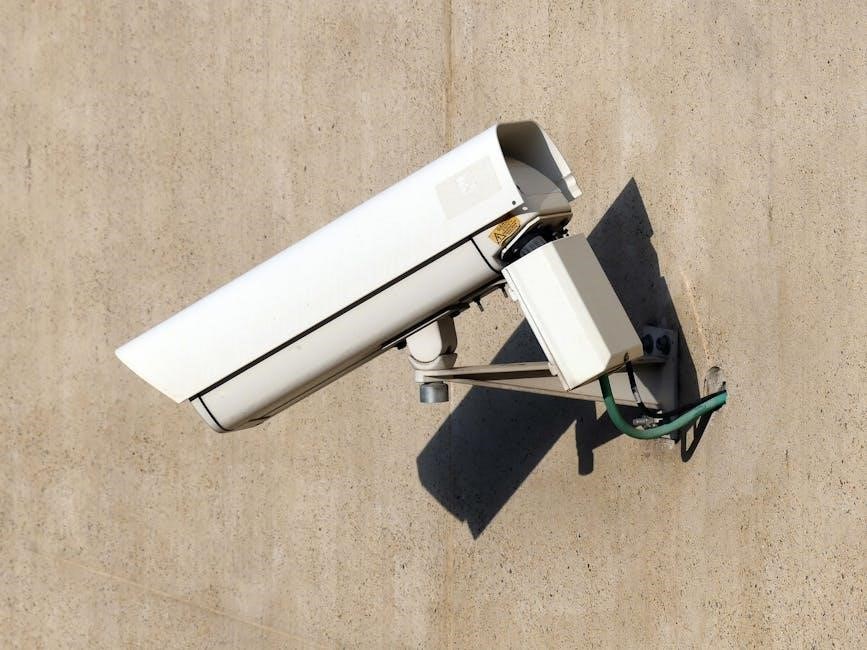
Church safety guidebooks recommend strategically placed surveillance systems for comprehensive monitoring. While specific details aren’t provided in the snippets, enhanced perimeter security through visual oversight is implied. These systems aid in incident review and provide valuable evidence, bolstering overall church safety measures.
Lighting and Visibility: Enhancing Perimeter Security
Church safety resources emphasize the importance of well-lit perimeters to deter potential threats. Though specific guidebook details are absent, improved visibility is crucial for enhancing security. Adequate lighting reduces blind spots, aiding surveillance and creating a safer environment for congregants and staff alike.
Emergency Response Planning
Church safety guidebooks, such as Bethel Lutheran’s plan, prioritize comprehensive emergency response planning. These resources detail procedures for various scenarios, including evacuations led by the Safety Team. Preparedness, including clearly defined routes, is vital for ensuring the safety of everyone on church premises.
Evacuation Procedures: Drills and Designated Routes
Church safety guidelines, like Keystone Church’s, emphasize the importance of familiarizing congregants with safe exit locations. Regular evacuation drills are crucial for practicing these procedures. Clearly marked and designated routes, detailed in safety plans, ensure a swift and orderly response during emergencies.
Active Shooter Response: Run, Hide, Fight Protocol
Church security committees, often comprised of law enforcement professionals, should train members on the “Run, Hide, Fight” protocol. Safety teams, as seen in provided resources, will direct people to safe exits during an active shooter event, prioritizing rapid evacuation and personal safety.
Medical Emergency Response: First Aid and AED Availability

Comprehensive church safety plans, detailed in available guidebooks, must include provisions for medical emergencies. Ensuring readily available first aid supplies and strategically placed Automated External Defibrillators (AEDs) are crucial for responding to health crises within the congregation and facility.
Communication Strategies During a Crisis
Church safety guidebooks emphasize clear communication protocols during emergencies. These plans detail internal reach to staff and volunteers, alongside external contact with law enforcement and families, ensuring swift and accurate information dissemination when immediate action is required for safety.
Internal Communication: Reaching Staff and Volunteers
Safety and Emergency Response Plans, such as Bethel Lutheran’s, prioritize reaching staff and volunteers quickly during a crisis. Guidebooks detail methods for rapid notification, potentially utilizing pre-established teams and communication channels to ensure everyone is informed and prepared to act.
External Communication: Contacting Law Enforcement and Families
Church safety guidebooks emphasize swift communication with authorities and families during emergencies. Plans detail procedures for contacting law enforcement, providing accurate information, and establishing a clear point of contact for family notifications, ensuring coordinated responses and support.
Legal Considerations for Church Security
Church security guidebooks address legal aspects like concealed carry policies for security personnel – Christ Lincoln allows active/retired law enforcement to carry. They also cover liability and insurance, advising churches to review coverage for security-related incidents and potential legal ramifications.
Concealed Carry Policies and Regulations

Church security guidebooks often detail concealed carry considerations, referencing legal frameworks. Christ Lincoln’s policy permits active/retired law enforcement officers to carry firearms on church premises. Churches must navigate state and local regulations when establishing their own policies, ensuring legal compliance.
Liability and Insurance Coverage
Church safety guidebooks emphasize the importance of adequate insurance coverage to mitigate potential liabilities. Proactive security measures, detailed in plans like Bethel Lutheran’s, can demonstrate due diligence. Churches should review policies with their insurers, addressing security-related risks and potential claims.
Creating a Church Safety Culture
Church safety guidebooks advocate for fostering a proactive safety culture through regular assessments and updates, as highlighted in Keystone Church’s guidelines. Promoting situational awareness among congregants is crucial, alongside consistent training and drills, ensuring everyone feels prepared and secure within the church environment.
Regular Security Assessments and Updates
Church safety resources emphasize the necessity of ongoing security evaluations, mirroring Keystone Church’s recommendations. These assessments, detailed in available guidebooks (like Bethel Lutheran’s 32-page plan), should inform protocol updates, ensuring the church adapts to evolving threats and maintains a robust safety posture.
Promoting Situational Awareness Among Congregants
Church security guidebooks advocate for empowering congregants to be vigilant. Resources, such as the Keystone Church guidelines, suggest familiarizing members with exit strategies. This proactive approach, detailed in safety plans (Bethel Lutheran’s 32-page document), enhances overall security by fostering a community-based awareness.
Resources for Church Security Planning (PDF Guide Focus)
Numerous PDF guidebooks are available, offering comprehensive church security plans. Bethel Lutheran Church provides a 32-page resource, while Keystone Church offers a 17-page safety guideline. These documents detail emergency responses, evacuation procedures, and security team protocols for proactive planning.
Available Church Safety Guidebooks and Templates
Several churches offer downloadable PDF safety guides. Bethel Lutheran’s 32-page plan and Keystone Church’s 17-page guidelines serve as excellent templates. These resources cover crucial aspects like evacuation, active shooter response, and security team direction, aiding comprehensive church safety preparation.
Utilizing Online Resources and Training Materials
Church Finder provides access to various Christian churches and resources. Supplementing PDF guides like Bethel Lutheran’s and Keystone’s, online platforms offer training for security teams, including active shooter protocols and emergency response. These materials enhance preparedness and situational awareness.
Specific Considerations for Different Church Sizes
PDF guides must adapt to church scale. Smaller churches with limited resources require streamlined plans, while larger facilities necessitate complex security measures detailed in comprehensive documents. Both benefit from utilizing available templates and prioritizing foundational safety protocols.

Security for Small Churches with Limited Resources
PDF resources emphasize cost-effective strategies. Small churches can leverage readily available templates and focus on foundational elements like clear evacuation routes and basic first aid training, as outlined in safety guidelines, maximizing security with minimal financial investment.
Security for Large Churches with Complex Facilities
Detailed PDF guides are crucial for larger campuses. These resources advocate for comprehensive surveillance systems, layered access control, and dedicated security teams—potentially including active/retired law enforcement—to manage complex security needs effectively.
Addressing Cybersecurity Threats
PDF resources emphasize protecting sensitive church data and financial information. Churches must implement robust cybersecurity measures, including secure networks and data encryption, alongside social media safety protocols, to mitigate online risks and potential breaches.
Protecting Church Data and Financial Information
Church safety guidebooks highlight the critical need for securing digital assets. Implementing strong passwords, regular data backups, and secure network configurations are essential to safeguard confidential member information and prevent financial fraud, as outlined in PDF resources.
Social Media Security and Online Safety
Church security PDFs emphasize monitoring social media for potential threats and establishing clear online communication protocols. Guidebooks advise controlling access to church accounts, educating staff about phishing scams, and protecting the congregation’s privacy online, ensuring a safe digital presence.
Working with Vulnerable Populations
Church safety guidebooks prioritize the protection of children and seniors, advocating for thorough background checks for volunteers. PDFs detail child safety protocols, emphasizing supervised interactions and reporting procedures, alongside assistance strategies for elderly members, fostering a secure environment for all.
Child Safety Protocols and Background Checks
PDF church security resources strongly recommend comprehensive background checks for all volunteers working with children. These guides outline strict child safety protocols, including supervised interactions, two-adult rules, and clear reporting procedures to ensure a secure and nurturing environment for young congregants.
Senior Citizen Safety and Assistance
Church safety guidebooks emphasize assisting senior members during emergencies, particularly with evacuation procedures. These PDFs suggest designating volunteers to aid those with mobility issues, ensuring clear communication, and providing readily available seating or support during services and events.
Post-Incident Procedures and Support
Church security PDFs highlight the necessity of debriefing after an incident, alongside offering trauma counseling resources. These guides recommend reviewing security protocols, documenting events thoroughly, and providing emotional support to those affected, fostering a healing and restorative environment.
Debriefing and Trauma Counseling
Church safety guidebooks emphasize post-incident debriefing as crucial, alongside access to trauma counseling. These resources, often detailed in PDFs, advocate for supporting those affected emotionally and spiritually, ensuring a path toward healing and recovery within the church community.
Reviewing and Improving Security Protocols
Church security PDFs highlight the necessity of regular protocol reviews, alongside ongoing training and drills. Assessments should incorporate lessons learned from incidents, emerging threats, and feedback from law enforcement, ensuring a proactive and adaptive security posture for the congregation.
Maintaining a Proactive Security Posture
PDF guides emphasize continuous improvement through ongoing training, drills, and staying informed about evolving threats; Regularly updating security measures, based on assessments and collaboration with experts, is crucial for a resilient and prepared church environment, ensuring congregant safety.
Ongoing Training and Drills
Church safety guidebooks, such as Keystone’s, advocate regular drills and training for security teams and congregants. Familiarity with evacuation routes and emergency procedures, detailed in these PDFs, is vital for effective response during critical incidents, enhancing overall preparedness.
Staying Informed About Emerging Threats
Church security PDFs emphasize proactive awareness of evolving threats. Regularly reviewing updated guidelines and resources, alongside insights from law enforcement, is crucial. Staying current on best practices, detailed in comprehensive church safety plans, ensures preparedness against new risks.

No Responses